
English
- 中文
- English
- Español
- Portugal
- Русский
The Evolution of Truck Wheel Design From Steel to Aluminum
Click:
Time:2024-11-22 17:15:41
The Evolution of Truck Wheel Design: From Steel to Aluminum
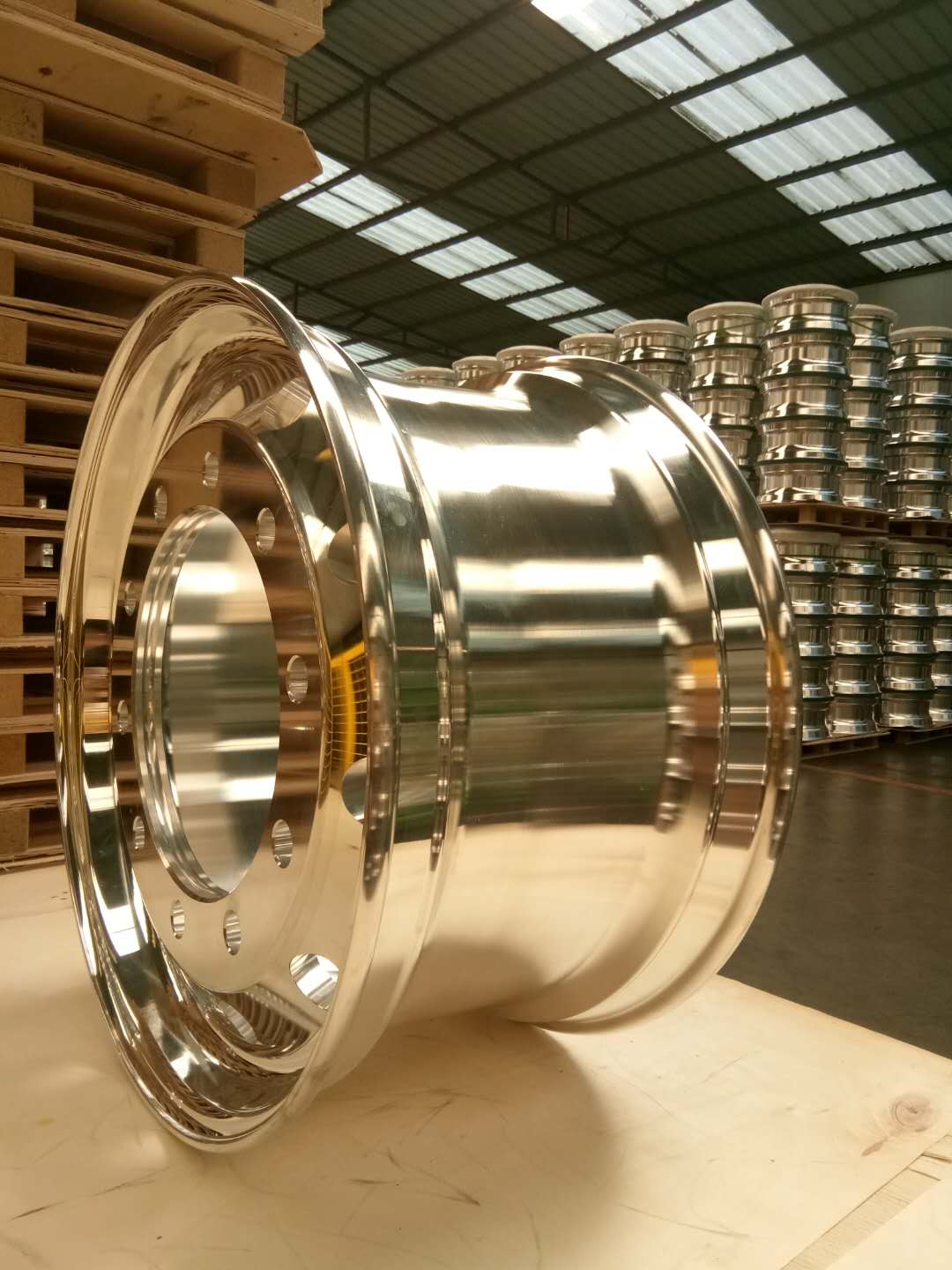
Truck wheels have undergone significant changes over the years, adapting to the evolving demands of performance, durability, and fuel efficiency. One of the most noticeable transformations has been the shift from traditional steel wheels to modern aluminum wheels, each offering unique benefits to truck owners and drivers.
In the early days of trucking, steel wheels were the standard due to their strength and durability. Steel’s ability to withstand heavy loads and rough terrains made it a practical choice for trucks used in industries like construction, shipping, and logistics. However, steel wheels are heavy, which can negatively impact a truck's fuel efficiency and handling.
As the trucking industry advanced, the need for lighter, more efficient wheels became apparent. This led to the introduction of aluminum wheels, which began gaining popularity in the mid-20th century. Aluminum wheels are significantly lighter than their steel counterparts, reducing the overall weight of the vehicle. This weight reduction helps improve fuel efficiency and handling, especially in long-haul trucks that travel vast distances.
Moreover, aluminum wheels are highly resistant to rust and corrosion, making them more suitable for harsh weather conditions and extending their lifespan. They also offer a smoother, more aesthetically pleasing finish, which appeals to truck owners looking for both function and style.
Today, aluminum wheels are the go-to choice for many modern trucks, particularly those focused on fuel economy and performance. While steel wheels still have their place in heavy-duty applications, the shift toward aluminum highlights the industry's focus on innovation, efficiency, and sustainability. This evolution is a testament to how material advancements continue to shape the future of trucking.
Prev : How to Properly Inspect and Maintain Your Truck Wheels for LongevityNext : Understanding Load Ratings How to Choose the Right Truck Wheels for Your Needs
你的喜欢,就是我坚持写下去的能量器
YouArticle
已有0人推荐
Contact
Tel:+86-374-3199855
E-mail: admin@xchengfeng.com
Wechat / Whatsapp:18603992600
Address1: Private science and technology economic park, Weidu disctrict,Xuchang city,Henan province, China.
Address2: NO.107 Huayuan North Road,Zhengzhou Area (Jinshui) of China (Henan) Pilot Free Trade Zone

Copyright © Xuchang Yenuo Auto Parts co.,Ltd. 豫ICP备2020034620号