
English
- 中文
- English
- Español
- Portugal
- Русский
How to Properly Inspect and Maintain Your Truck Wheels for Longevity
Click:
Time:2024-11-20 08:54:51
How to Properly Inspect and Maintain Your Truck Wheels for Longevity
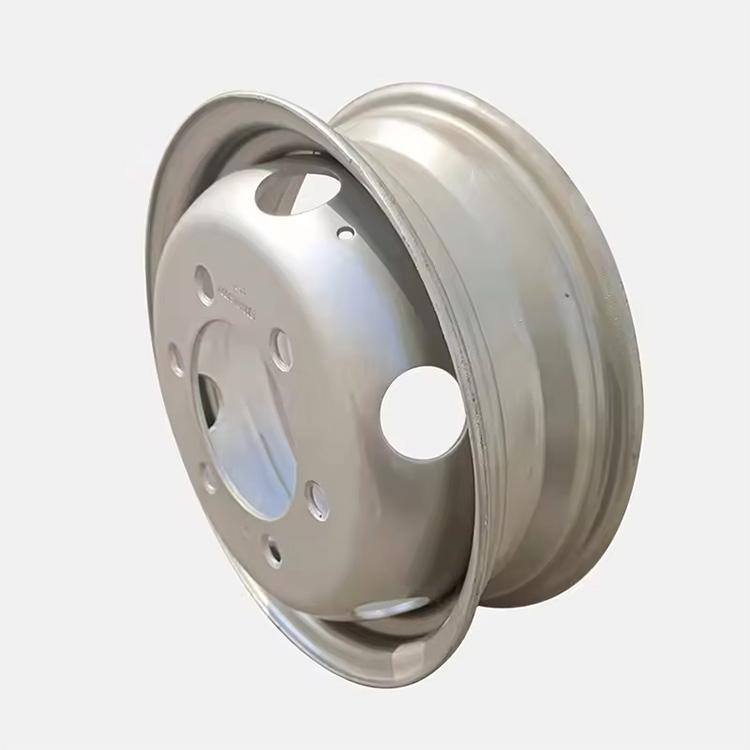
Proper maintenance of your truck's wheels is crucial for ensuring safety, performance, and longevity. Neglecting wheel care can lead to premature wear, damage, and potentially dangerous situations on the road. Here’s a guide on how to properly inspect and maintain your truck wheels to keep them in top condition for years to come.
1. Regular Visual Inspections
The first step in wheel maintenance is conducting regular visual inspections. Check your wheels for any visible signs of damage, such as cracks, dents, or bends. Damaged wheels can compromise the structural integrity of your truck and should be repaired or replaced immediately. Look for signs of corrosion, which can weaken the metal over time, especially if you frequently drive in harsh conditions like salt-covered winter roads or off-road environments.
2. Clean Your Wheels Regularly
Keeping your wheels clean is essential for preventing corrosion and maintaining their appearance. Dirt, brake dust, and road grime can accumulate on wheels, leading to surface damage and pitting. Clean your wheels with a mild soap and water solution, using a soft brush to remove stubborn dirt. Avoid harsh chemicals or abrasive materials that can strip away protective coatings or damage the wheel finish. Regular cleaning also makes it easier to spot any potential issues during inspections.
3. Check Wheel Alignment and Balance
Proper wheel alignment and balance are critical for even tire wear and smooth handling. Misaligned wheels can cause uneven tire wear, reduce fuel efficiency, and strain your truck’s suspension components. It’s advisable to have your wheel alignment checked every time you rotate your tires or if you notice your truck pulling to one side. Additionally, ensure your wheels are balanced to prevent vibrations at high speeds, which can lead to increased tire wear and damage to the suspension.
4. Monitor Tire Pressure
Maintaining proper tire pressure is crucial for wheel longevity. Under-inflated or over-inflated tires can cause uneven wear and put extra stress on the wheels, increasing the risk of damage. Check your tire pressure regularly, especially before long trips or when carrying heavy loads. Follow the manufacturer’s recommended tire pressure for optimal performance and safety.
5. Rotate Your Tires Regularly
Regular tire rotation is essential for even wear and extending the life of both your tires and wheels. Rotating your tires every 6,000 to 8,000 miles ensures that each tire wears evenly, preventing premature wheel damage due to uneven tire wear. It also helps maintain balanced handling and traction, reducing the risk of accidents.
6. Inspect Lug Nuts and Bolts
Loose or corroded lug nuts can cause your wheels to become misaligned or even detach while driving. During your inspections, check the lug nuts for any signs of rust or wear and ensure they are tightened to the manufacturer’s specifications. Using a torque wrench to tighten lug nuts to the recommended torque settings is vital for maintaining wheel security and preventing damage.
Conclusion
Proper inspection and maintenance of your truck wheels are key to ensuring safety, performance, and longevity. By conducting regular visual inspections, keeping your wheels clean, monitoring tire pressure, and ensuring proper alignment and balance, you can extend the life of your wheels and improve your truck's overall performance. Taking the time to care for your wheels not only protects your investment but also provides peace of mind on the road.
Prev : Top 5 Truck Wheel Brands for Durability and StyleNext : The Evolution of Truck Wheel Design From Steel to Aluminum
你的喜欢,就是我坚持写下去的能量器
YouArticle
已有0人推荐
Contact
Tel:+86-374-3199855
E-mail: admin@xchengfeng.com
Wechat / Whatsapp:18603992600
Address1: Private science and technology economic park, Weidu disctrict,Xuchang city,Henan province, China.
Address2: NO.107 Huayuan North Road,Zhengzhou Area (Jinshui) of China (Henan) Pilot Free Trade Zone

Copyright © Xuchang Yenuo Auto Parts co.,Ltd. 豫ICP备2020034620号