
English
- 中文
- English
- Español
- Portugal
- Русский
How Weather Conditions Affect Truck Wheels and Tire Performance
Click:
Time:2025-04-02 00:00:00
How Weather Conditions Affect Truck Wheels and Tire Performance
Weather plays a significant role in the performance and longevity of truck wheels and tires. Extreme temperatures, road conditions, and seasonal elements can impact traction, durability, and overall safety. Understanding these effects can help truck owners take preventive measures to ensure optimal performance year-round.
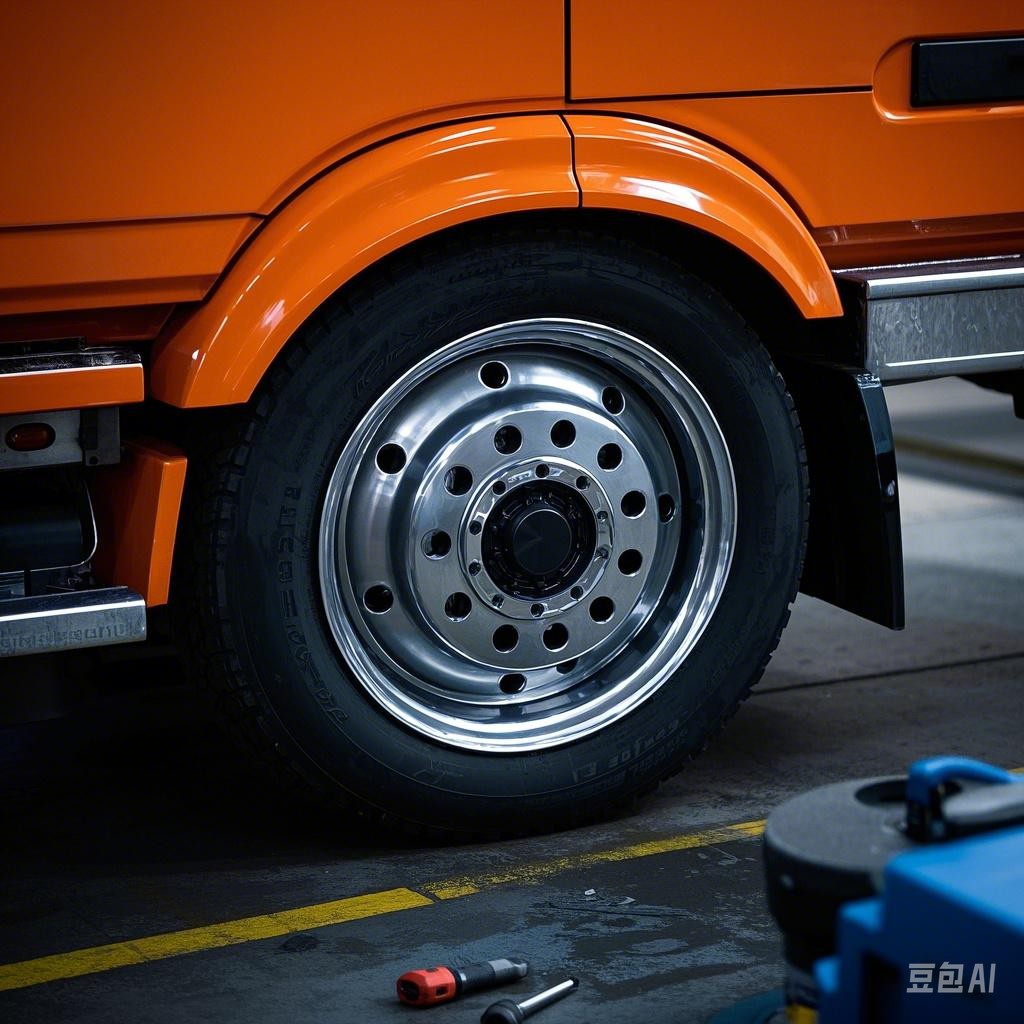
1. Cold Weather and Its Impact
· Reduced Tire Pressure: Cold temperatures cause air to contract, leading to lower tire pressure, which affects handling and fuel efficiency.
· Hardening of Rubber: In freezing conditions, tires become less flexible, reducing grip and increasing braking distances.
· Increased Risk of Corrosion: Snow, ice, and road salt accelerate rust formation on steel wheels, potentially weakening their structure over time.
2. Hot Weather Challenges
· Increased Tire Pressure: Heat causes air inside tires to expand, potentially leading to overinflation, which can reduce traction and increase the risk of blowouts.
· Faster Tire Wear: Hot asphalt and high friction cause tires to wear out more quickly, especially if they are underinflated or overloaded.
· Wheel Damage: Prolonged exposure to intense heat can weaken certain wheel finishes, causing fading or peeling on painted and alloy wheels.
3. Rain and Wet Conditions
· Hydroplaning Risk: Worn-out treads struggle to channel water away, increasing the chances of skidding on wet roads.
· Rust Formation: Constant exposure to moisture can lead to rust on steel wheels and corrosion on aluminum wheels if they are not properly coated.
4. Preventative Maintenance Tips
· Check tire pressure regularly, adjusting for temperature changes.
· Rotate tires and inspect tread depth to maintain even wear and maximize grip.
· Clean and protect wheels with sealants to prevent rust and corrosion.
Conclusion
Weather conditions can significantly impact truck wheels and tires. By taking proactive maintenance steps, drivers can ensure better traction, durability, and overall safety in any climate.
Prev : Understanding Wheel Offset and Backspacing: How They Affect Your TruckNext : Top Truck Wheel Brands: What Sets Them Apart?
你的喜欢,就是我坚持写下去的能量器
YouArticle
已有50人推荐
Contact
Tel:+86-374-3199855
E-mail: admin@xchengfeng.com
Wechat / Whatsapp:18603992600
Address1: Private science and technology economic park, Weidu disctrict,Xuchang city,Henan province, China.
Address2: NO.107 Huayuan North Road,Zhengzhou Area (Jinshui) of China (Henan) Pilot Free Trade Zone

Copyright © Xuchang Yenuo Auto Parts co.,Ltd. 豫ICP备2020034620号