
English
- 中文
- English
- Español
- Portugal
- Русский
The Evolution of Truck Wheel Design: Trends and Innovations
Click:
Time:2025-03-14 07:06:00
The Evolution of Truck Wheel Design: Trends and Innovations
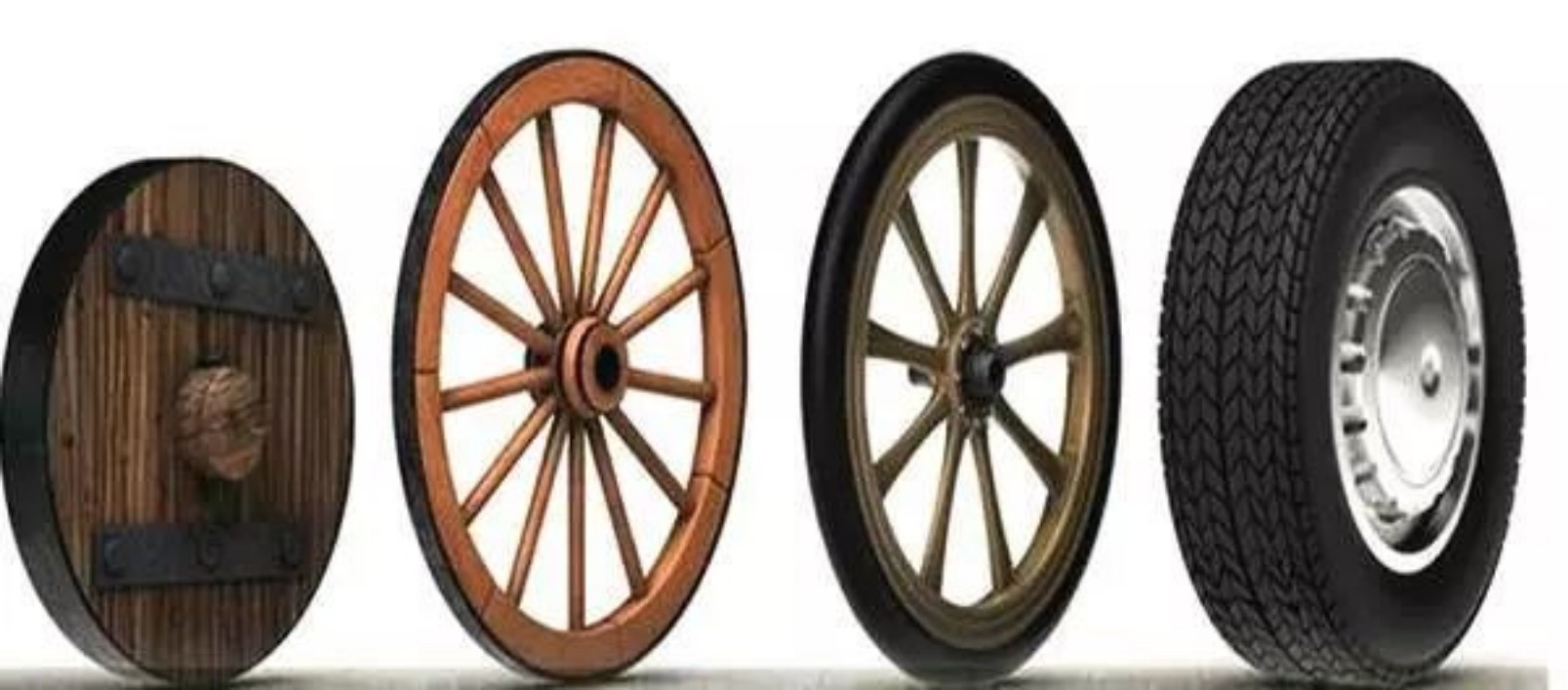
Truck wheel design has undergone significant changes over the years, evolving to meet the demands of performance, safety, and aesthetics. From the early days of basic steel rims to today’s advanced, high-performance wheels, innovations have revolutionized how trucks perform on and off the road. Let’s take a look at the key trends and innovations shaping the future of truck wheel design.
1. Lightweight Materials for Improved Efficiency
One of the most notable trends in truck wheel design is the shift towards lighter materials. Traditional steel wheels have been largely supplemented by aluminum alloy wheels, which offer considerable weight savings without compromising strength. Lighter wheels reduce the overall weight of the vehicle, leading to improved fuel efficiency and better handling. More recently, forged aluminum wheels have become popular, providing an even higher strength-to-weight ratio, making them ideal for heavy-duty trucks while still reducing overall vehicle weight.
2. Enhanced Durability and Strength
As trucks face more challenging driving conditions, durability has become a critical factor in wheel design. Innovations in materials and manufacturing processes have led to the development of high-strength alloys that resist cracking, corrosion, and deformation. Forged wheels, which are produced by compressing the metal under high pressure, have become popular for their superior strength and resistance to fatigue. These wheels are particularly favored in performance and off-road applications, where resilience is crucial.
3. Customization and Aesthetics
In recent years, the aesthetic appeal of truck wheels has taken center stage. Custom wheels are now widely available, allowing truck owners to personalize the appearance of their vehicles. Advanced manufacturing techniques have made it easier to create intricate, unique designs, with options ranging from multi-spoke wheels to aggressive, rugged looks for off-road trucks. Besides aesthetics, custom finishes such as matte, gloss, and chrome coatings are now offered to enhance the overall look while providing added protection against the elements.
4. Advances in Tire Compatibility
With the increase in wheel sizes and the use of larger tires, truck wheels have been designed with better tire compatibility. Larger wheels, paired with low-profile tires, not only improve the vehicle's appearance but also enhance performance by increasing contact with the road. Innovations in wheel offset, backspacing, and rim width have also improved the ability to mount a variety of tire sizes, particularly in the off-road and performance truck markets.
5. Smart Wheels and Technology Integration
The future of truck wheel design also includes the integration of smart technologies. Innovations like TPMS (Tire Pressure Monitoring Systems) are now built into wheels, alerting drivers to changes in tire pressure that could affect safety. In addition, wheel sensors that monitor temperature, load, and wear are being developed to help fleet operators manage tire performance more efficiently.
Conclusion
The evolution of truck wheel design has been driven by the need for better performance, safety, aesthetics, and efficiency. With advancements in lightweight materials, durability, customization, and technology, today’s truck wheels are more functional and visually appealing than ever before. As the industry continues to innovate, truck owners can look forward to even more exciting developments in wheel design that improve both the driving experience and vehicle longevity.
Prev : How to Improve Off-Road Performance with Specialized Truck WheelsNext : 卡车轮胎会影响油耗吗?探索轮胎与燃油效率之间的联系
你的喜欢,就是我坚持写下去的能量器
YouArticle
已有50人推荐
Contact
Tel:+86-374-3199855
E-mail: admin@xchengfeng.com
Wechat / Whatsapp:18603992600
Address1: Private science and technology economic park, Weidu disctrict,Xuchang city,Henan province, China.
Address2: NO.107 Huayuan North Road,Zhengzhou Area (Jinshui) of China (Henan) Pilot Free Trade Zone

Copyright © Xuchang Yenuo Auto Parts co.,Ltd. 豫ICP备2020034620号