
English
- 中文
- English
- Español
- Portugal
- Русский
How to Inspect Your Truck Wheels for Damage and Wear
Click:
Time:2025-03-05 09:00:00
How to Inspect Your Truck Wheels for Damage and Wear
Regularly inspecting your truck wheels is essential for maintaining vehicle safety, performance, and longevity. Wheels endure significant stress from the weight of the vehicle, road conditions, and the driving environment. Ensuring that your wheels are in good condition helps prevent accidents, improves handling, and reduces costly repairs. Here’s a guide on how to properly inspect your truck wheels for damage and wear.
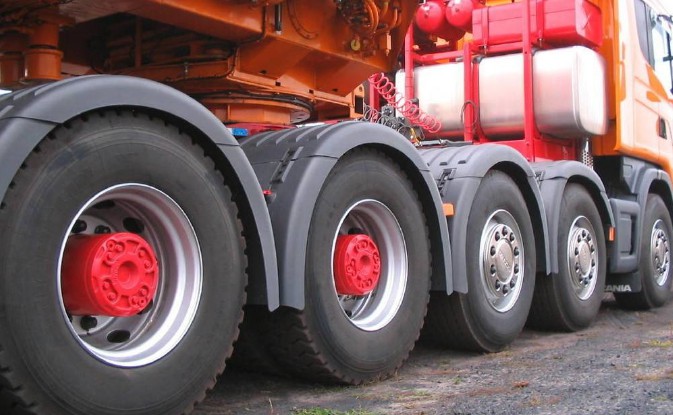
1. Visual Inspection
Start with a visual inspection of the wheel rims and tires. Look for any obvious signs of damage such as cracks, bends, or deep scratches on the surface. Minor dents can sometimes be repaired, but severe damage like cracks can compromise the structural integrity of the wheel and require immediate replacement. Pay close attention to the areas where the wheel meets the tire, as these spots can be prone to wear and corrosion.
2. Check for Corrosion or Rust
Corrosion is common on steel wheels, especially if the truck operates in areas with heavy rainfall, snow, or salt on the roads. Inspect the wheel for signs of rust or pitting, particularly along the rim or around the valve stem. Aluminum wheels are less prone to rust but can still corrode under certain conditions. If you spot corrosion, it may weaken the wheel, leading to possible failure over time.
3. Tire Condition and Pressure
The condition of the tires directly reflects the health of your wheels. Check for uneven tire wear, which may indicate misalignment or other issues with the wheel or suspension system. Uneven wear can also be caused by improper inflation. Regularly check tire pressure and ensure it matches the manufacturer’s recommendations. Low pressure can put excess stress on the wheel and lead to tire blowouts.
4. Inspect the Lug Nuts and Bolts
Loose or damaged lug nuts can cause the wheel to come loose while driving, which is extremely dangerous. Inspect the lug nuts and bolts for any signs of wear or damage, such as stripping or bending. It’s essential to ensure that the nuts are properly torqued and are not showing signs of fatigue.
5. Check for Vibration or Handling Issues
If you notice unusual vibrations or handling problems while driving, it may indicate wheel damage. Worn-out wheels can cause uneven tire wear, affecting the balance of the vehicle. If the vibrations persist after balancing or aligning the tires, it’s worth checking the wheels for unseen damage.
Conclusion
Regular inspections are critical for ensuring that your truck wheels are in safe working condition. Checking for damage, corrosion, and proper tire condition, along with inspecting lug nuts and balancing, can help extend the life of your wheels and keep your truck performing optimally. If you find any serious issues, replacing the wheel promptly is always the safest choice.
Prev : Understanding Load Ratings for Truck Wheels: Why It’s Crucial for SafetyNext : The Role of Truck Wheels in Towing Capacity and Performance
你的喜欢,就是我坚持写下去的能量器
YouArticle
已有50人推荐
Contact
Tel:+86-374-3199855
E-mail: admin@xchengfeng.com
Wechat / Whatsapp:18603992600
Address1: Private science and technology economic park, Weidu disctrict,Xuchang city,Henan province, China.
Address2: NO.107 Huayuan North Road,Zhengzhou Area (Jinshui) of China (Henan) Pilot Free Trade Zone

Copyright © Xuchang Yenuo Auto Parts co.,Ltd. 豫ICP备2020034620号