
English
- 中文
- English
- Español
- Portugal
- Русский
The Role of Wheel Design in Fuel Efficiency and Performance for Trucks
Click:
Time:2025-02-11 15:16:29
The Role of Wheel Design in Fuel Efficiency and Performance for Trucks
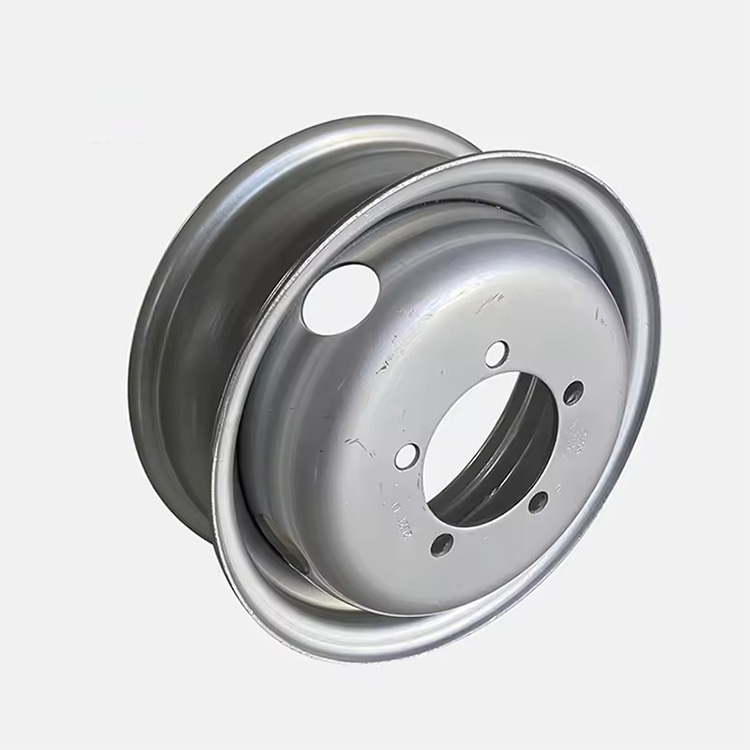
Wheel design plays a crucial role in the fuel efficiency and performance of trucks. While often overlooked, wheels significantly impact aerodynamics, weight distribution, and overall vehicle handling, all of which influence fuel consumption and driving performance.
1. Aerodynamics
The design of a truck's wheels can affect how air flows around the vehicle. Open-spoke wheels may create turbulence, reducing aerodynamic efficiency, especially at higher speeds. Conversely, streamlined wheel covers or closed designs help minimize air resistance, improving fuel economy. For long-haul trucks traveling at constant speeds, even small aerodynamic improvements can lead to significant fuel savings over time.
2. Weight
The weight of the wheels directly impacts the truck's overall weight and unsprung mass (components not supported by the suspension). Lighter wheels, often made from materials like forged aluminum, reduce the energy required to move the truck, thereby improving fuel efficiency. Additionally, lighter wheels enhance suspension response, which can lead to better handling and reduced wear on tires.
3. Durability and Maintenance
Well-designed wheels are not only efficient but also durable. Durable materials and structures reduce the risk of damage under heavy loads or in harsh conditions, ensuring consistent performance. Wheels that maintain their structural integrity over time reduce maintenance needs and associated costs, contributing indirectly to overall operational efficiency.
4. Traction and Handling
The wheel’s design, including its size and compatibility with specific tire types, affects traction and handling. Larger or wider wheels may provide better grip, which is critical for performance in off-road or slippery conditions. However, they can also increase rolling resistance, which may negatively impact fuel efficiency. Balancing wheel size with tire selection is key.
Conclusion
Investing in well-designed truck wheels is a smart choice for improving fuel efficiency and performance. By considering aerodynamics, weight, durability, and handling, truck owners can optimize their vehicles for both economic and operational benefits.
Prev : Choosing the Right Wheels for Heavy-Duty Trucks A Comprehensive GuideNext : Off-Road Wheels for Trucks Features You Need for Rugged Terrain
你的喜欢,就是我坚持写下去的能量器
YouArticle
已有50人推荐
Contact
Tel:+86-374-3199855
E-mail: admin@xchengfeng.com
Wechat / Whatsapp:18603992600
Address1: Private science and technology economic park, Weidu disctrict,Xuchang city,Henan province, China.
Address2: NO.107 Huayuan North Road,Zhengzhou Area (Jinshui) of China (Henan) Pilot Free Trade Zone

Copyright © Xuchang Yenuo Auto Parts co.,Ltd. 豫ICP备2020034620号