
English
- 中文
- English
- Español
- Portugal
- Русский
Steel vs. Aluminum Wheels for Trucks Which One Fits Your Needs
Click:
Time:2025-01-17 13:56:11
Steel vs. Aluminum Wheels for Trucks: Which One Fits Your Needs?
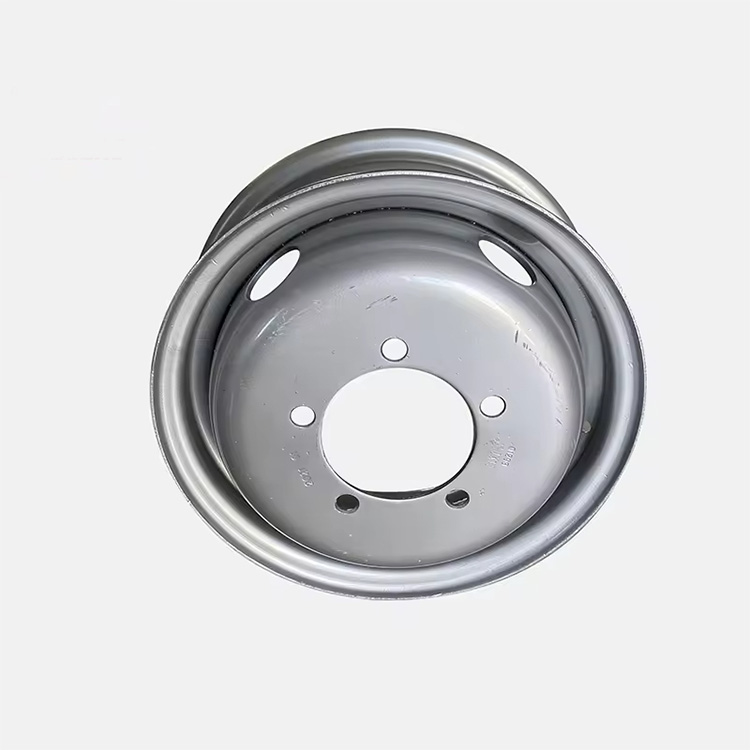
Choosing the right wheels for your truck is essential for performance, durability, and cost-effectiveness. Steel and aluminum wheels are the two primary options, each with distinct advantages and drawbacks. Understanding their differences can help you make an informed decision.
Steel Wheels: Strength and Affordability
Steel wheels are a popular choice for heavy-duty applications due to their strength and cost-effectiveness.
· Advantages: Steel wheels are highly durable and resistant to cracks or deformation, making them ideal for trucks that operate in harsh conditions, such as construction sites or off-road terrains. They are also less expensive than aluminum wheels, which is a significant benefit for fleet owners managing multiple vehicles.
· Drawbacks: Steel wheels are heavier, which can impact fuel efficiency and handling. Additionally, they are more prone to rust if not adequately maintained, especially in regions with high salt exposure during winter.
Aluminum Wheels: Lightweight and Stylish
Aluminum wheels are known for their lightweight design and aesthetic appeal.
· Advantages: The reduced weight of aluminum wheels improves fuel efficiency and enhances handling, especially in high-performance applications. They are also corrosion-resistant, making them suitable for trucks operating in wet or coastal environments. Furthermore, aluminum wheels offer a sleek, modern look, adding to the truck’s overall appeal.
· Drawbacks: Aluminum wheels are typically more expensive and can be more susceptible to damage from severe impacts, such as curbs or potholes.
Which One Is Right for You?
The choice between steel and aluminum wheels depends on your truck’s usage and priorities.
· For heavy-duty work and cost efficiency, steel wheels are the better option.
· If fuel efficiency, performance, and aesthetics are your focus, aluminum wheels are worth the investment.
Conclusion
Both steel and aluminum wheels have their merits. Consider your operational needs, budget, and environment to select the option that best suits your truck. A well-chosen wheel will ensure durability, safety, and performance on the road.
Prev : How to Extend the Lifespan of Your Truck Wheels Maintenance TipsNext : Top Trends in Truck Wheel Technology What’s Driving the Market
你的喜欢,就是我坚持写下去的能量器
YouArticle
已有50人推荐
Contact
Tel:+86-374-3199855
E-mail: admin@xchengfeng.com
Wechat / Whatsapp:18603992600
Address1: Private science and technology economic park, Weidu disctrict,Xuchang city,Henan province, China.
Address2: NO.107 Huayuan North Road,Zhengzhou Area (Jinshui) of China (Henan) Pilot Free Trade Zone

Copyright © Xuchang Yenuo Auto Parts co.,Ltd. 豫ICP备2020034620号