
English
- 中文
- English
- Español
- Portugal
- Русский
How Weather Conditions Affect Truck Wheels and How to Adapt
Click:
Time:2025-01-13 11:38:32
How Weather Conditions Affect Truck Wheels and How to Adapt
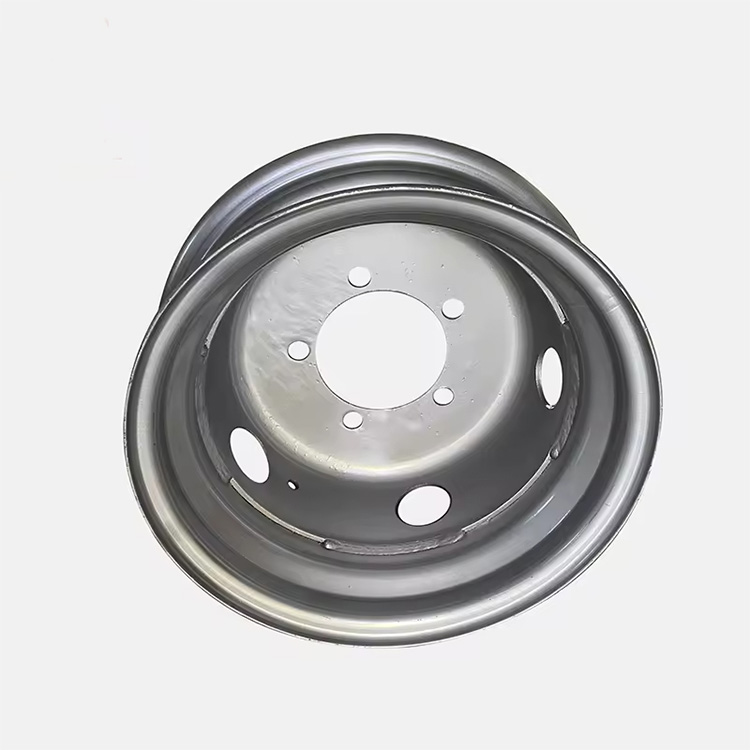
Weather conditions have a significant impact on truck wheels, affecting their performance, durability, and safety. Whether it’s the harsh cold of winter or the extreme heat of summer, different climates present unique challenges for truck wheels. Understanding these challenges and how to adapt can help improve wheel longevity and truck performance.
1. Cold Weather and Snow
In cold climates, freezing temperatures and exposure to snow and ice can have several adverse effects on truck wheels:
· Corrosion risk: Road salt used to melt ice can cause wheels, particularly steel ones, to rust.
· Increased pressure on tires: Cold temperatures cause the air inside tires to contract, reducing pressure and increasing the risk of flats or blowouts.
· Reduced traction: Snow and ice can reduce wheel grip, leading to slippage.
Adaptation Tips:
· Choose corrosion-resistant wheels: Opt for wheels made from aluminum or those with protective coatings to prevent rust.
· Regular tire pressure checks: Ensure tires are inflated to the correct pressure to avoid underinflation and improve traction.
· Use winter tires: These tires are designed with deeper treads and softer rubber to improve grip in snowy or icy conditions.
2. Hot Weather and Summer
Hot temperatures can cause different issues for truck wheels:
· Overheating: Prolonged exposure to high heat can cause the tires to expand, increasing the risk of blowouts.
· Increased wear: Hot weather accelerates the wear on both tires and wheels, especially when trucks are heavily loaded.
· Brake fade: High temperatures can affect brake performance, which may also impact wheel performance.
Adaptation Tips:
· Monitor tire pressure: As temperatures rise, tires expand, so regularly check and adjust tire pressure to prevent overinflation.
· Ensure proper cooling: High-performance brake systems and high-quality wheels can help manage heat better.
· Regular inspections: Regularly inspect wheels and tires for signs of wear, cracks, or bulges, particularly during the summer months.
3. Wet or Humid Conditions
Rain and humidity can also pose challenges:
· Rust and corrosion: Prolonged exposure to water can rust steel wheels and degrade tire rubber.
· Slippery roads: Wet surfaces can reduce traction and increase the risk of accidents.
Adaptation Tips:
· Regular cleaning: After driving in wet conditions, clean the wheels thoroughly to remove moisture and debris.
· Use all-season or rain tires: Tires designed for wet conditions offer better grip and reduce the risk of hydroplaning.
Conclusion
Weather conditions can affect truck wheels in various ways, from corrosion in the cold to overheating in the heat. By understanding these impacts and adopting the right maintenance practices, truck owners can ensure their wheels remain durable and efficient, no matter the climate. Regular inspections, proper tire maintenance, and selecting the right materials for your environment are key to keeping your wheels in top condition.
Prev : Choosing the Right Wheels for Heavy-Duty Trucks Key ConsiderationsNext : The Evolution of Truck Wheels From Steel to High-Tech Alloys
你的喜欢,就是我坚持写下去的能量器
YouArticle
已有50人推荐
Contact
Tel:+86-374-3199855
E-mail: admin@xchengfeng.com
Wechat / Whatsapp:18603992600
Address1: Private science and technology economic park, Weidu disctrict,Xuchang city,Henan province, China.
Address2: NO.107 Huayuan North Road,Zhengzhou Area (Jinshui) of China (Henan) Pilot Free Trade Zone

Copyright © Xuchang Yenuo Auto Parts co.,Ltd. 豫ICP备2020034620号