
English
- 中文
- English
- Español
- Portugal
- Русский
The Importance of Proper Wheel Alignment and Balancing in Trucks
Click:
Time:2024-12-31 16:34:26
The Importance of Proper Wheel Alignment and Balancing in Trucks
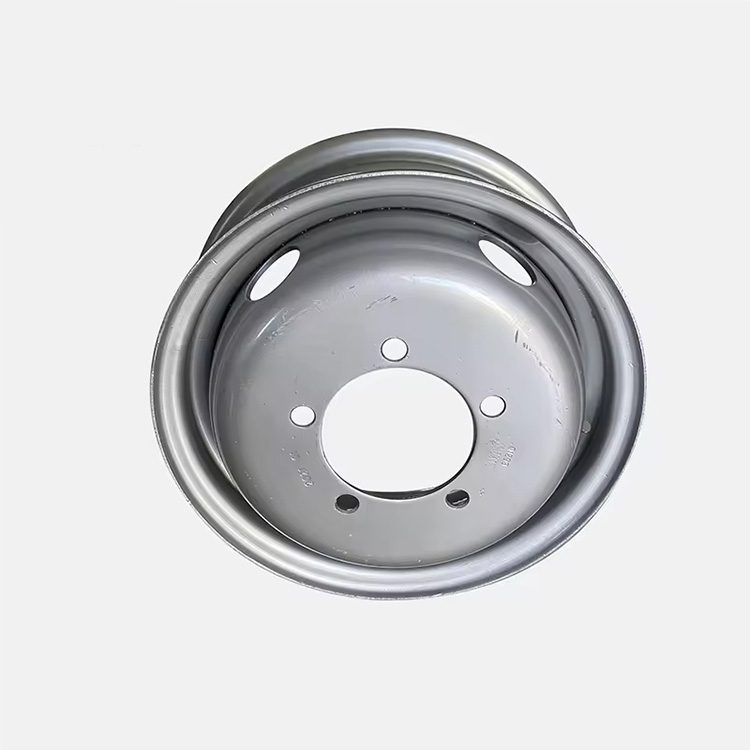
Proper wheel alignment and balancing are critical for the performance, safety, and longevity of a truck. These maintenance tasks ensure that the wheels function optimally, reducing wear and tear on tires, improving fuel efficiency, and enhancing overall driving comfort.
What Is Wheel Alignment?
Wheel alignment involves adjusting the angles of the wheels so they meet the manufacturer’s specifications. Misaligned wheels can cause:
· Uneven tire wear: Tires wear out faster, leading to costly replacements.
· Poor handling: The truck may pull to one side, making it harder to control.
· Increased fuel consumption: Misaligned wheels create additional rolling resistance, which reduces fuel efficiency.
Alignment issues often arise from hitting potholes, curbs, or carrying heavy loads, making regular checks essential for trucks that endure tough driving conditions.
What Is Wheel Balancing?
Wheel balancing ensures the weight of the wheel and tire assembly is evenly distributed. Imbalances can cause:
· Vibrations: Unbalanced wheels result in noticeable vibrations in the steering wheel or cabin, particularly at higher speeds.
· Stress on suspension components: Over time, the vibrations can damage suspension parts, leading to costly repairs.
· Premature tire wear: Uneven weight distribution leads to hotspots on the tire, shortening its lifespan.
Why It’s Important for Trucks
For trucks, which carry heavy loads and travel long distances, proper alignment and balancing are crucial. They reduce the strain on tires and suspension, ensuring safer operation and lowering operational costs. Additionally, they improve driver comfort, which is vital for long-haul trips.
Conclusion
Routine wheel alignment and balancing checks are simple yet effective ways to maintain your truck’s performance and safety. By preventing uneven wear and mechanical stress, these practices save money in the long run and ensure a smoother, more reliable driving experience.
Prev : Custom Truck Wheels Enhancing Aesthetics and FunctionalityNext : Truck Wheel Maintenance Tips for Cleaning and Protecting Your Wheels
你的喜欢,就是我坚持写下去的能量器
YouArticle
已有50人推荐
Contact
Tel:+86-374-3199855
E-mail: admin@xchengfeng.com
Wechat / Whatsapp:18603992600
Address1: Private science and technology economic park, Weidu disctrict,Xuchang city,Henan province, China.
Address2: NO.107 Huayuan North Road,Zhengzhou Area (Jinshui) of China (Henan) Pilot Free Trade Zone

Copyright © Xuchang Yenuo Auto Parts co.,Ltd. 豫ICP备2020034620号