
English
- 中文
- English
- Español
- Portugal
- Русский
The Impact of Wheel Weight on Fuel Efficiency and Handling in Trucks
Click:
Time:2024-12-25 17:10:17
The Impact of Wheel Weight on Fuel Efficiency and Handling in Trucks
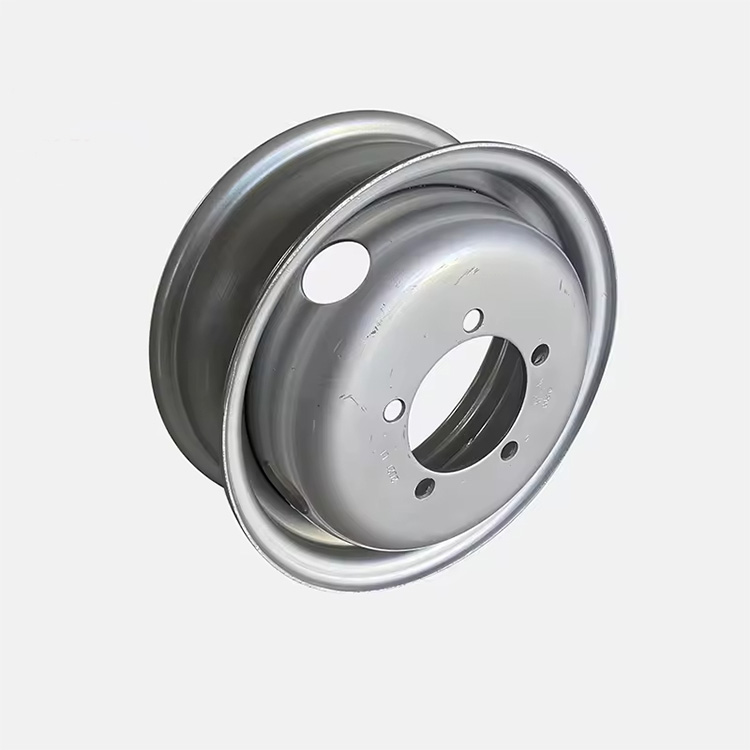
Wheel weight plays a critical role in determining a truck’s fuel efficiency and handling. Whether you choose lightweight alloy wheels or heavier steel wheels, the decision impacts your vehicle's performance in several key areas.
1. Fuel Efficiency
The weight of your truck’s wheels directly affects fuel consumption. Lighter wheels require less energy to rotate, leading to better fuel efficiency. This is particularly significant for long-haul trucks, where even small improvements in fuel economy translate into substantial cost savings over time.
· Reduced rolling resistance: Lighter wheels decrease the strain on the engine, allowing it to operate more efficiently.
· Overall weight reduction: By lowering the unsprung weight (the weight below the suspension), trucks can achieve improved mileage.
On the other hand, heavier steel wheels may increase the total load on the truck, resulting in higher fuel consumption, especially on long-distance routes.
2. Handling and Performance
Wheel weight also has a significant impact on how a truck handles.
· Lighter wheels: They offer better responsiveness and agility, improving acceleration and braking performance. This is particularly beneficial for trucks that require frequent stops or navigate tight urban areas.
· Heavier wheels: While they reduce agility, they provide greater stability, which is an advantage for trucks carrying heavy loads or driving on rough terrain.
3. Balancing Durability and Efficiency
Steel wheels are known for their strength and durability, making them ideal for demanding conditions, but their weight can reduce efficiency. Alloy wheels, while lighter and more fuel-efficient, may not be as durable under heavy loads or harsh conditions.
Conclusion
The choice of wheel weight depends on your truck's application. For long-haul and fuel-conscious operations, lighter wheels are preferable. For durability and rugged performance, heavier wheels may be the better choice. Balancing these factors ensures optimal performance and cost-efficiency.
Prev : How to Choose the Perfect Wheel Size for Your Truck A Comprehensive GuideNext : Off-Road Truck Wheels Features, Benefits, and Best Options
你的喜欢,就是我坚持写下去的能量器
YouArticle
已有50人推荐
Contact
Tel:+86-374-3199855
E-mail: admin@xchengfeng.com
Wechat / Whatsapp:18603992600
Address1: Private science and technology economic park, Weidu disctrict,Xuchang city,Henan province, China.
Address2: NO.107 Huayuan North Road,Zhengzhou Area (Jinshui) of China (Henan) Pilot Free Trade Zone

Copyright © Xuchang Yenuo Auto Parts co.,Ltd. 豫ICP备2020034620号