
English
- 中文
- English
- Español
- Portugal
- Русский
The Evolution of Truck Wheel Technology From Steel to Alloy
Click:
Time:2024-12-18 08:58:56
The evolution of truck wheel technology has been marked by significant advancements, with the transition from steel to alloy wheels being one of the most impactful changes in the industry.
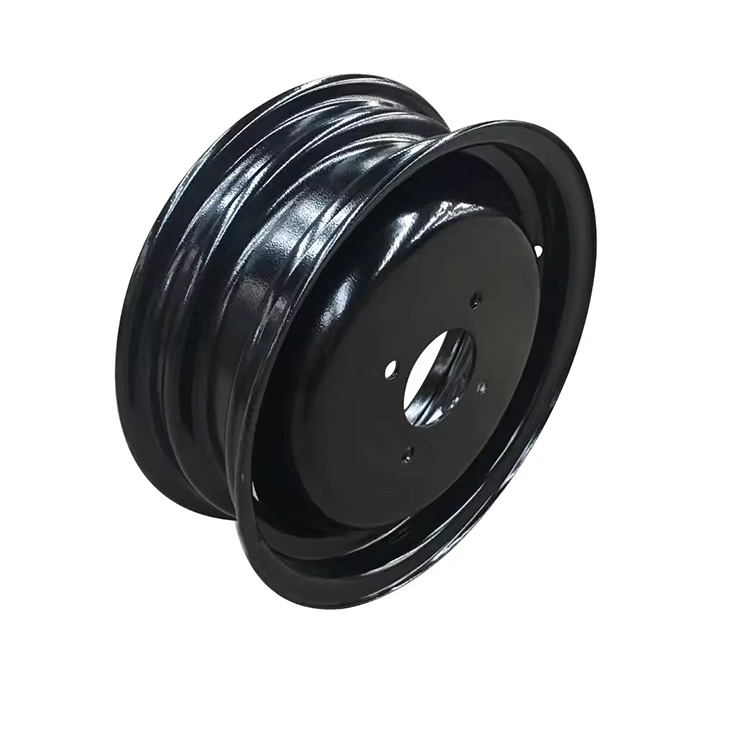
Historically, steel wheels were the standard for trucks due to their durability, strength, and affordability.
Steel wheels could withstand heavy loads and rough terrains, making them ideal for the demanding needs of trucks.
However, as technology advanced and the automotive industry evolved, the limitations of steel wheels became more apparent.
Steel wheels are relatively heavy, which negatively impacts fuel efficiency and the overall performance of the truck. Additionally, steel is prone to rust and corrosion over time, which can compromise the integrity of the wheel.
The introduction of alloy wheels brought a significant shift in truck wheel technology.
Alloy wheels are typically made from a combination of aluminum and other metals, offering a lighter yet strong alternative to steel.
The reduced weight of alloy wheels enhances a truck’s fuel efficiency, handling, and acceleration. Furthermore, alloy wheels are more resistant to rust and corrosion, making them more durable in the long run.
One of the most notable benefits of alloy wheels is their aesthetic appeal.
Alloy wheels can be cast into a variety of designs, allowing truck owners to customize the look of their vehicles. This aspect of personalization has made alloy wheels popular in both the consumer and commercial truck markets.
In recent years, the development of even stronger and lighter alloys, along with advanced manufacturing techniques, has further pushed the boundaries of truck wheel technology.
Modern alloy wheels now offer a perfect balance of strength, weight, and style, setting a new standard in the industry. As technology continues to advance, truck wheels will likely evolve further, continuing to improve the performance, efficiency, and aesthetics of trucks.
Prev : Innovations in Truck Wheel Technology What’s Next for the IndustryNext : Steel vs. Aluminum Truck Wheels Which One Is Right for You
你的喜欢,就是我坚持写下去的能量器
YouArticle
已有50人推荐
Contact
Tel:+86-374-3199855
E-mail: admin@xchengfeng.com
Wechat / Whatsapp:18603992600
Address1: Private science and technology economic park, Weidu disctrict,Xuchang city,Henan province, China.
Address2: NO.107 Huayuan North Road,Zhengzhou Area (Jinshui) of China (Henan) Pilot Free Trade Zone

Copyright © Xuchang Yenuo Auto Parts co.,Ltd. 豫ICP备2020034620号