
English
- 中文
- English
- Español
- Portugal
- Русский
The Importance of Wheel Offset and Backspacing in Truck Performance
Click:
Time:2024-11-27 11:43:46
The Importance of Wheel Offset and Backspacing in Truck Performance
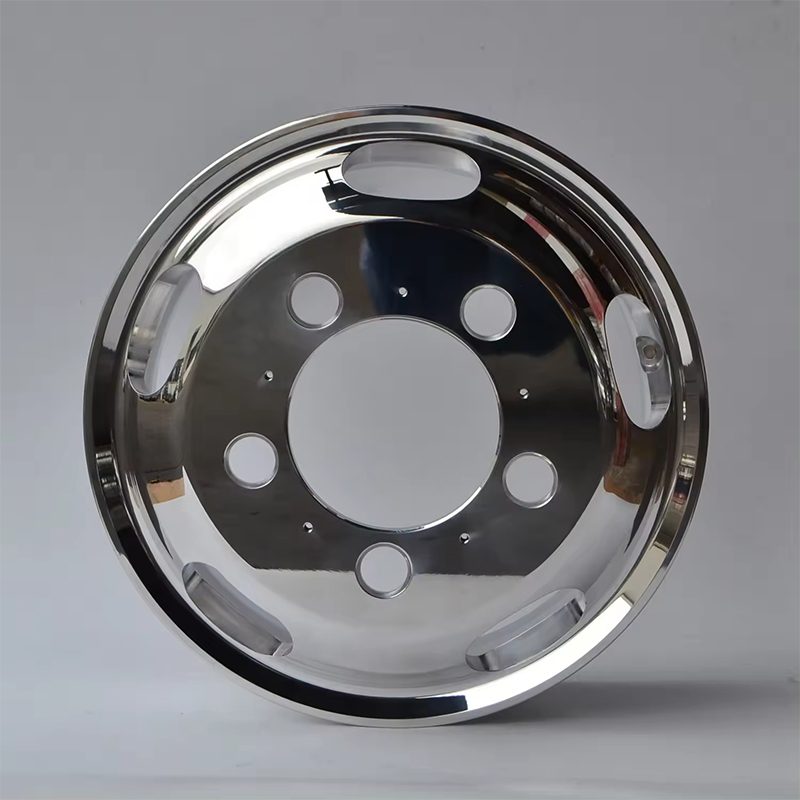
When it comes to optimizing truck performance, two critical aspects of wheel design that often go unnoticed are wheel offset and backspacing. These elements influence everything from handling and stability to tire clearance and aesthetics. Understanding how they work is essential for truck owners who want to improve their vehicle's performance or install custom wheels.
Wheel offset refers to the distance between the wheel's mounting surface and its centerline. Offset can be positive, negative, or neutral. A positive offset means the mounting surface is closer to the front of the wheel, pushing the wheel farther under the truck. This setup is common in factory trucks and helps maintain stability while preventing the wheels from sticking out too far. A negative offset, on the other hand, moves the mounting surface closer to the back, causing the wheels to protrude. Negative offset is often seen in off-road or lifted trucks for a wider stance and enhanced off-road performance.
Backspacing, though related, measures the distance from the mounting surface to the back edge of the wheel. The more backspacing a wheel has, the further it will sit inside the wheel well. Too much backspacing can lead to clearance issues with the suspension or brake components, while too little can cause the tires to rub on the truck's body during turns.
Proper offset and backspacing are essential for ensuring tire clearance and maintaining the truck's suspension geometry. Choosing the wrong configuration can lead to poor handling, increased tire wear, or even damage to the suspension. Additionally, offset and backspacing play a role in the truck’s aesthetics, allowing for custom wheel setups that give the vehicle a more aggressive or refined look.
Understanding these factors ensures that your truck maintains optimal performance while achieving the look and functionality you desire.
Prev : Understanding Load Ratings How to Choose the Right Truck Wheels for Your NeedsNext : All-Terrain vs. Street Wheels Which is Best for Your Truck
你的喜欢,就是我坚持写下去的能量器
YouArticle
已有0人推荐
Contact
Tel:+86-374-3199855
E-mail: admin@xchengfeng.com
Wechat / Whatsapp:18603992600
Address1: Private science and technology economic park, Weidu disctrict,Xuchang city,Henan province, China.
Address2: NO.107 Huayuan North Road,Zhengzhou Area (Jinshui) of China (Henan) Pilot Free Trade Zone

Copyright © Xuchang Yenuo Auto Parts co.,Ltd. 豫ICP备2020034620号