
English
- 中文
- English
- Español
- Portugal
- Русский
The Role of Wheel Offset and Backspacing in Truck Performance
Click:
Time:2024-11-15 10:06:55
The Role of Wheel Offset and Backspacing in Truck Performance
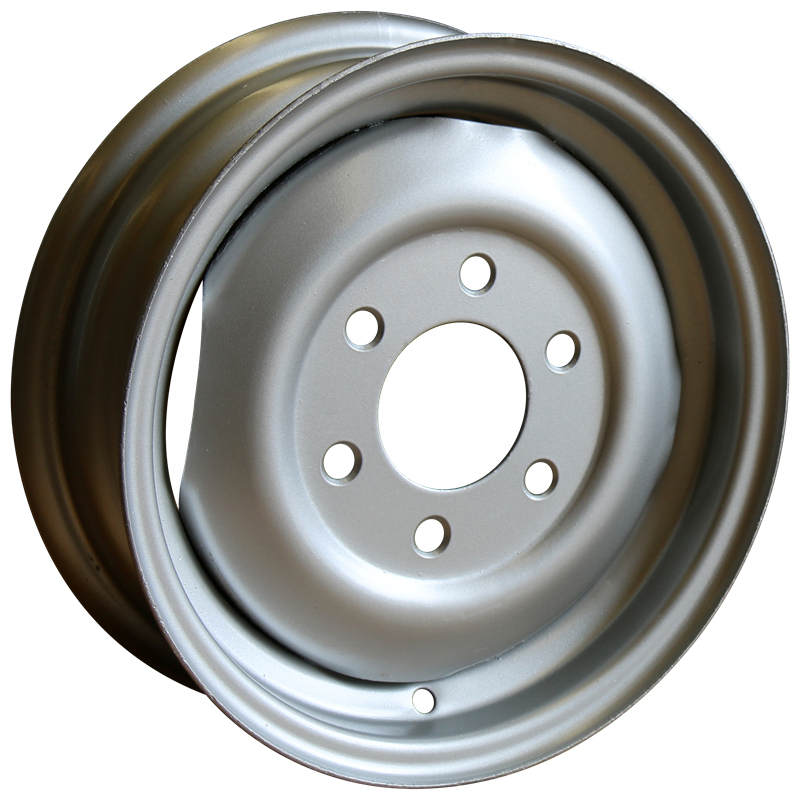
When selecting new wheels for your truck, two critical measurements to consider are wheel offset and backspacing. These terms are often confused, but they play distinct roles in determining how wheels sit on a truck, impacting performance, handling, and aesthetics. Understanding how offset and backspacing affect your truck can help you make an informed choice for optimal performance.
1. Understanding Wheel Offset
Wheel offset refers to the distance between the wheel’s mounting surface and its centerline. It is measured in millimeters and can be positive, negative, or zero.
- Positive Offset: The mounting surface is closer to the front (outer side) of the wheel. Most stock wheels come with a positive offset, which keeps the wheel tucked under the fender. This setup is ideal for trucks used primarily for daily driving, as it maintains a stable center of gravity and reduces strain on suspension components.
- Negative Offset: The mounting surface is closer to the back (inner side) of the wheel. Wheels with a negative offset stick out more from the truck’s body, providing a wider stance. This configuration is popular among off-road enthusiasts because it improves stability and allows for larger tires, which are essential for better traction on rough terrain.
- Zero Offset: The mounting surface aligns exactly with the wheel's centerline, providing a balance between stability and handling.
2. The Importance of Backspacing
Backspacing is the measurement from the back edge of the wheel to the mounting surface. It determines how far the wheel extends into the wheel well. Proper backspacing is crucial to avoid rubbing against suspension components, brake calipers, or the inner fenders. Too much backspacing can cause the wheel to sit too far inside the wheel well, potentially leading to clearance issues. Conversely, too little backspacing can cause the wheel to stick out too far, increasing the risk of debris damage and altering the truck's handling characteristics.
3. Impact on Truck Performance and Handling
Both offset and backspacing directly impact a truck’s handling and performance. A wider stance, achieved with negative offset and reduced backspacing, lowers the vehicle’s center of gravity, enhancing stability and cornering performance. However, this can also increase wear on suspension components and affect steering response. On the other hand, a positive offset with more backspacing may provide a smoother ride for daily driving and reduce stress on suspension parts, but it may limit tire size and off-road capabilities.
4. Aesthetic Considerations
In addition to performance, offset and backspacing influence the truck's appearance. A negative offset gives the truck a more aggressive, wide stance, which is visually appealing to many off-road and custom truck enthusiasts. A positive offset keeps the wheels tucked under the fenders, offering a more streamlined and factory look.
Conclusion
Wheel offset and backspacing are essential factors in optimizing your truck’s performance, handling, and aesthetics. Choosing the right combination depends on your driving needs, whether you prioritize off-road capability, daily comfort, or a specific look. Understanding these measurements can help you make the best decision to enhance your truck’s functionality and appearance.
Prev : Off-Road Truck Wheels What Makes Them DifferentNext : Top 5 Truck Wheel Brands for Durability and Style
你的喜欢,就是我坚持写下去的能量器
YouArticle
已有0人推荐
Contact
Tel:+86-374-3199855
E-mail: admin@xchengfeng.com
Wechat / Whatsapp:18603992600
Address1: Private science and technology economic park, Weidu disctrict,Xuchang city,Henan province, China.
Address2: NO.107 Huayuan North Road,Zhengzhou Area (Jinshui) of China (Henan) Pilot Free Trade Zone

Copyright © Xuchang Yenuo Auto Parts co.,Ltd. 豫ICP备2020034620号