
English
- 中文
- English
- Español
- Portugal
- Русский
How to Match Your Truck’s Wheels and Tires for Optimal Performance
Click:
Time:2024-11-11 08:51:48
How to Match Your Truck’s Wheels and Tires for Optimal Performance
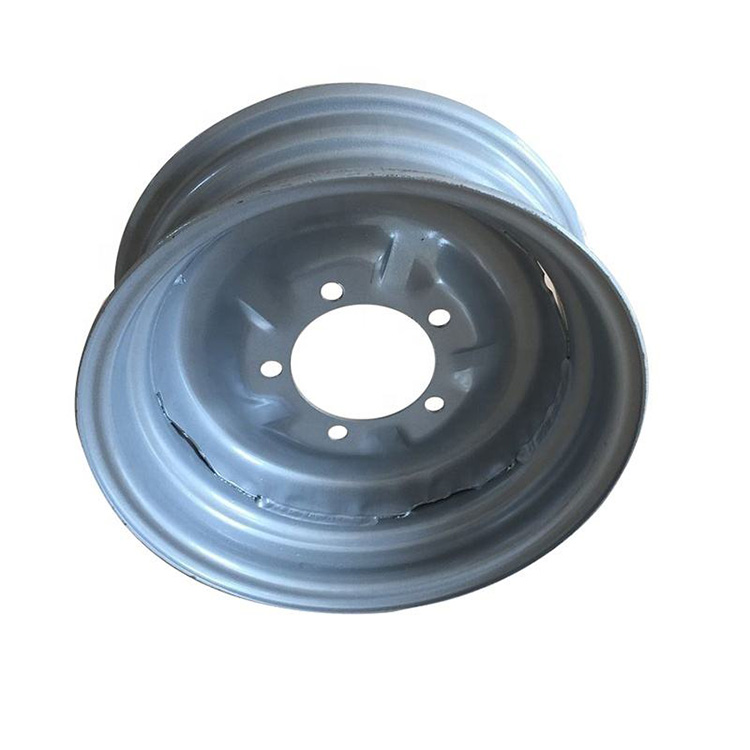
Matching your truck’s wheels and tires correctly is essential for achieving optimal performance, safety, and comfort. The right combination can improve handling, fuel efficiency, and even the aesthetics of your vehicle. Here’s a guide on how to pair your truck’s wheels and tires to ensure you get the best out of your truck.
1. Understand Wheel and Tire Specifications
Before selecting wheels and tires, it’s crucial to understand their specifications. Wheels are measured by their diameter, width, bolt pattern, and offset, while tires are measured by their width, aspect ratio, and diameter. Ensuring that these measurements are compatible is vital to avoid issues like tire rubbing, poor handling, or uneven wear. Check your truck’s owner manual or consult a professional to understand the appropriate sizes for your vehicle.
2. Consider Your Driving Needs
The type of driving you do should heavily influence your choice of wheels and tires. If you primarily drive on highways, you might prioritize comfort and fuel efficiency, opting for all-season tires with a smooth tread pattern and lightweight alloy wheels. For off-road enthusiasts, larger wheels paired with off-road tires with aggressive tread patterns can provide better traction and durability on rugged terrain. Understanding your driving habits will help you choose a combination that enhances performance for your specific needs.
3. Balance Between Style and Functionality
While it’s tempting to choose wheels and tires based on looks alone, functionality should never be compromised. Larger wheels with low-profile tires can give your truck a sporty appearance but may also result in a rougher ride due to less cushioning from the tires. Similarly, overly wide tires can look aggressive but may negatively impact fuel efficiency and increase road noise. Aim for a balance that suits both your style preferences and driving requirements.
4. Ensure Proper Fitment
Proper fitment is key to maximizing performance and safety. When upgrading or changing your wheels and tires, ensure they fit within your truck’s wheel wells without causing rubbing during turns or when hitting bumps. Improper fitment can lead to premature tire wear, reduced handling capability, and even damage to your truck’s suspension components.
5. Pay Attention to Tire Load Rating and Speed Rating
The load rating indicates how much weight a tire can safely carry, while the speed rating shows the maximum speed at which a tire can perform effectively. Choosing wheels and tires that match or exceed your truck’s load and speed requirements is crucial, especially if you use your truck for towing or hauling heavy loads. This ensures safe and reliable performance under all driving conditions.
Conclusion
Matching your truck’s wheels and tires for optimal performance requires careful consideration of size, driving needs, style, and fitment. By understanding the specifications and requirements of both components, you can choose a combination that enhances your truck’s performance, safety, and appearance. A well-matched set of wheels and tires not only improves your driving experience but also extends the lifespan of both the tires and the vehicle itself.
Prev : Seasonal Wheel Care Maintaining Your Truck’s Wheels Through Winter and SummerNext : Off-Road Truck Wheels What Makes Them Different
你的喜欢,就是我坚持写下去的能量器
YouArticle
已有0人推荐
Contact
Tel:+86-374-3199855
E-mail: admin@xchengfeng.com
Wechat / Whatsapp:18603992600
Address1: Private science and technology economic park, Weidu disctrict,Xuchang city,Henan province, China.
Address2: NO.107 Huayuan North Road,Zhengzhou Area (Jinshui) of China (Henan) Pilot Free Trade Zone

Copyright © Xuchang Yenuo Auto Parts co.,Ltd. 豫ICP备2020034620号